 how-to
What to Check Before Garage Service: A 2026 Guide
Table of Contents
- What to Check Before Garage Service: Documentation and Vehicle Details
- How to Choose a Reliable Car Mechanic in Dubai
- Understanding Car Service Cost Dubai and Getting Accurate Quotes
- Genuine vs Aftermarket Spare Parts UAE: What You Need to Know
- Pre-Service Checklist: Fluid Levels and Visible Issues
- Common Mistakes to Avoid Before Taking Your Car to the Garage
- Frequently Asked Questions
Last Updated: August 31, 2026
What to Check Before Garage Service: Documentation and Vehicle Details
Taking your car to the garage without preparation wastes time and often costs more than necessary. Before you book an appointment, gather three things: your service history, a clear understanding of what's wrong with your vehicle, and documentation of its current condition.
Gather Your Service History Records
Your service history tells a mechanic what's been done and what might be due next. Without it, you start from zero, and workshops often diagnose everything from scratch, inflating costs.
Pull together every service record: oil changes, filter replacements, major repairs, and warranty work. If you've lost physical copies, contact your previous garage or manufacturer, many keep digital records. For used cars, ask the seller for documentation.
Your service history also protects you against unnecessary recommendations. A mechanic who sees recent brake service is less likely to push for brake work that isn't needed.
Verify Your Vehicle's Current Condition
Document what you've noticed so you can describe it accurately and verify the mechanic's findings against your observations.
Take notes on specific symptoms. Is the air conditioning not cooling, or completely off? Does the engine make noise when cold or all the time? When did you first notice the problem?
Walk around your vehicle and check the obvious: tire tread depth, working lights, visible leaks, wiper blade condition, and battery terminals. Document this with photos if possible, they become evidence if a mechanic recommends expensive work.
How to Choose a Reliable Car Mechanic in Dubai
A reliable mechanic explains what's wrong clearly, justifies every recommendation with evidence, and doesn't push unnecessary work. They're transparent about costs upfront and willing to answer questions.
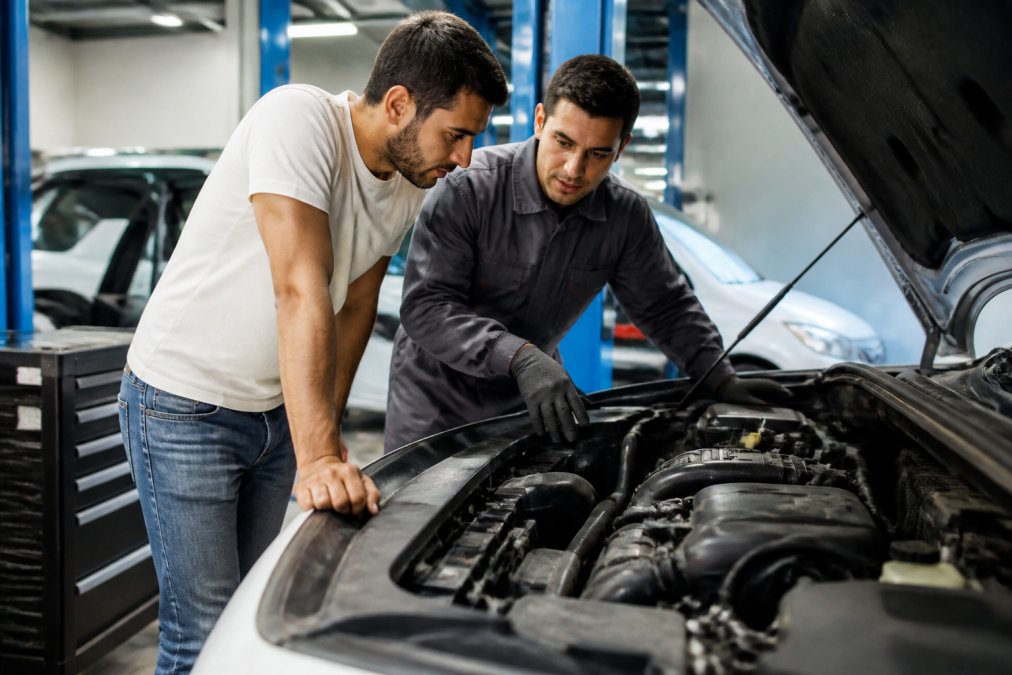
Check Credentials and Workshop Certifications
Look for workshops that display certifications from recognized bodies. In Dubai, workshops should comply with local regulations and ideally hold certifications from automotive associations or manufacturer-approved training programs.
Ask what qualifications the mechanics hold. A certified mechanic has completed formal training and passed examinations. Check whether the workshop is registered with local authorities and has proper insurance.
Request References and Verify Customer Feedback
Ask the workshop for references from recent customers. Contact at least two previous customers and ask whether the mechanic's recommendations matched what they actually needed and whether the final bill matched the estimate.
Look for online reviews on local platforms and Google. Read negative reviews carefully, they often reveal patterns. Pay attention to how the workshop responds to criticism. A defensive response is a warning sign; an acknowledgment and explanation is better.
Understanding Car Service Cost Dubai and Getting Accurate Quotes
Price transparency is where many car owners get burned. A workshop quotes one price, finds "additional problems" once work starts, and suddenly the bill is 40% higher (peer-reviewed research). Get everything in writing before work begins.
Request Detailed Written Estimates Before Work Begins
Never authorize work based on a phone call. Ask the workshop to provide a written estimate that itemizes every service, part, labor hour, diagnostic fees, and total cost with and without VAT.
Ask about their policy on additional work discovered during service. A good workshop will contact you before proceeding with anything not on the original estimate. Get this commitment in writing.
Compare Multiple Quotes to Identify Fair Pricing
Get quotes from at least three different workshops for any significant service. When comparing, ensure you're comparing identical services.
Xoomi simplifies this process by allowing you to request quotes from multiple workshops simultaneously, compare them side by side, and see detailed breakdowns of what each workshop is proposing.
Genuine vs Aftermarket Spare Parts UAE: What You Need to Know
Genuine parts are manufactured by your car's maker or an authorized supplier and typically carry a manufacturer's warranty. Aftermarket parts are made by third-party manufacturers and are usually cheaper, but quality varies significantly.
Ask Your Mechanic Which Parts They Plan to Use
Before work begins, ask whether the mechanic will use genuine or aftermarket parts. A professional workshop will have this information ready and can explain the price and quality difference.
If the estimate doesn't specify parts, ask for that detail in writing. Don't accept vague language like "replacement parts" or "quality parts."
Understand the Warranty Differences Between Part Types
Genuine parts typically come with a manufacturer's warranty covering 12 months or more. Aftermarket parts warranties vary widely, some carry 6 months, others a year, and some carry no warranty at all.
Ask the workshop what warranty covers the parts they're installing. If an aftermarket part fails within six months, who bears the cost of replacement? Get this in writing.
For critical components like brakes or suspension, many owners prefer genuine parts for clearer warranty protection. For less critical items like air filters or wiper blades, aftermarket parts are often adequate at lower cost.
Pre-Service Checklist: Fluid Levels and Visible Issues
The hour before you take your car to the garage is the time to do a final walk-through.
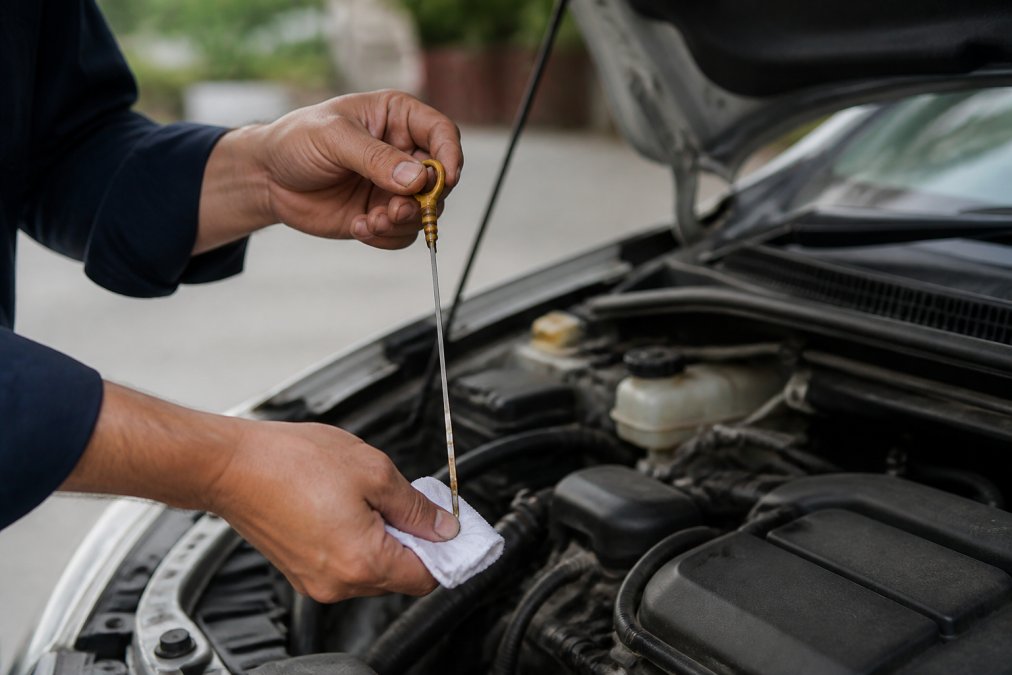
Check Engine Oil, Coolant, and Brake Fluid Levels
Open your hood and check the engine oil dipstick. The oil level should be between the minimum and maximum marks. Check your coolant level in the expansion tank, fluid should be between the minimum and maximum marks. Check brake fluid in its translucent reservoir.
These checks take two minutes and provide useful baseline information. If a mechanic later claims your oil was dangerously low when you checked it yesterday and it was fine, you have documentation.
Inspect Tires, Brakes, and Battery Condition
Look at your tires. Are they evenly worn or bald? Check your brake pads, they should be at least a quarter-inch thick. Look at battery terminals for corrosion. Check your windshield wipers for streaks.
Common Mistakes to Avoid Before Taking Your Car to the Garage
Never Skip the Written Estimate or Authorization Step
Always get a written estimate. Always authorize work in writing before it begins. If the mechanic finds additional problems, they should contact you, explain the issue, provide a cost estimate, and get your written approval before proceeding.
If a workshop refuses to provide written estimates, find another workshop. This is non-negotiable.
Don't Leave Personal Items or Valuables in the Vehicle
Remove everything valuable before you hand over your keys, including documents like your vehicle registration and insurance papers.
Avoid Vague Service Descriptions or Verbal Agreements
"Fix the AC" is vague. "Service the AC system, including refrigerant top-up and leak inspection" is specific. Everything should be in writing: what's being serviced, what parts are being used, what the cost is, and what warranty applies.
Preparing before you visit a garage shifts the power dynamic in your favor. You're an informed buyer who knows what to expect and can verify claims against your own observations.
Xoomi makes this easier by helping you gather multiple quotes from verified workshops, compare their proposals side by side, and choose based on transparent pricing and service details. Start with the checklist above, then use Xoomi to find workshops that match your needs and budget with confidence.
Frequently Asked Questions
Q: How do I know if a car garage in Dubai is reliable?
A: Check for proper licensing, certifications, and customer reviews before committing. Ask the garage for references from previous customers and verify their credentials with local authorities. Look for workshops that provide written estimates, maintain transparent communication, and offer warranties on their work. Platforms like Xoomi help you compare multiple garages and see customer feedback, making it easier to identify trustworthy service providers in your area.
Q: What documents should I prepare before taking my car for service in Dubai?
A: Gather your vehicle registration, service history records, warranty documentation, and the owner's manual. Bring any receipts from previous services or repairs. If you have specific concerns about your car's performance, write them down before arriving. Having these documents ready helps the mechanic understand your vehicle's maintenance history and ensures they provide accurate service recommendations tailored to your car's needs.
Q: How can I verify if a garage uses genuine spare parts in the UAE?
A: Always request a written estimate that specifies whether genuine or aftermarket parts will be used. Ask your mechanic to show you the parts packaging or certification before installation. Genuine parts typically come with manufacturer warranties and packaging, while aftermarket parts may be cheaper but offer different warranty coverage. Discuss the warranty terms for whichever type you choose, and ensure the garage documents which parts were installed in your service receipt.
Q: Should I remove personal belongings from my car before garage service?
A: Yes, remove all personal items, valuables, and important documents from your vehicle before dropping it off. While reputable garages maintain security, it's best practice to take anything you'd prefer not to leave unattended. Leave only essentials like your keys and a contact number. This protects your belongings and prevents any misunderstandings about what was in the vehicle when you arrived.
This article was written using GrandRanker